
Restaurant bookkeeping: Everything you need to know in 2026

Errors in payroll can lead to costly penalties, employee dissatisfaction, or even legal troubles. Additionally, labor cost management directly influences your restaurant’s profitability and operational efficiency.Key Components to Track in Payroll Bookkeeping1. contribution margin Hours Worked – Accurate recording of regular and overtime hours is crucial. Many restaurants use time-tracking systems, but it’s important that this data flows into your bookkeeping records promptly and accurately.2. Wages and Salaries – Ensure all employee payments – including hourly wages, salaries, and bonuses – are correctly recorded.3. Tip Reporting – Since tips are a major part of many restaurant employees’ income, correctly documenting both cash and credit card tips is essential for tax compliance.
Mobile Device Inventory Management- A Guide to Help You Do It Right
- For restaurants, it’s best to update your bookkeeping records daily, or weekly at the very least.
- A balance sheet provides an overarching view of your restaurant’s financial health.
- Compare cash on hand with sales records at the end of each shift to identify any discrepancies.
- Getting the right payroll data will help you understand these costs and make adjustments to your workforce to optimize profitability.
- Depending on the software, you can do other things such as manage payroll, sales reports, and methods of payment.
- The Restaurant CFO’s accounting team knows how to explain what financial statements mean and how important metrics impact a restaurant’s strategy.
Some POS systems also integrate with existing accounting software and allow you to automate much of the data entry and reconciliation processes for faster closeout at the end of the day. Accounting, on the other hand, is the broader process of analyzing, interpreting, and reporting on the bookkeeping data to provide a clear picture of your restaurant’s financial health. Labor cost percentage can help you estimate how much your business spends paying employees — costs such as salaries, benefits, insurance, overtime, and payroll taxes — compared to the money it brings in. In a nutshell, a cash flow statement tracks all the money that comes in and out of your business during a specific period.
Step 5: Prepare and analyze financial statements
- Effective bookkeeping is a fundamental aspect of running a successful restaurant.
- You can track income and expenses for all of your profit centers—simply set up restaurants, catering, or food trucks as its own class.
- This method allows businesses to record their generated income when cash is received from services rendered or paid for expenses and costs.
- Outsourcing payroll or using payroll software in the restaurant industry will take a big load off your shoulders.
They handle the silent work that lets your business shine on the surface. By keeping all records clean and ready, restaurant bookkeepers lower the risk of audits or errors. You’ll be plenty busy managing day-to-day operations, so consider outsourcing payroll, payables, and other functions to a firm that can let you focus on making your business a success. According to Toast.com, restaurants typically try to keep the cost of food to about 33 percent of their total sales.
- This helps keep your customers satisfied and your business from wasting money.
- Having a software solution will help you mitigate errors or costly mistakes in this regard.
- But thoughtful bookkeeping supports every part of a restaurant’s success.
- Lots of individual points of sale happen each day though, so keeping a close record of everything is important.
- Without reliable bookkeeping, accounting analysis becomes unreliable.
- This detailed financial tracking allows owners to analyze spending patterns and identify opportunities for cost reductions or revenue enhancements.
What factors into restaurant accounting
They collaborate with restaurant owners and managers to establish realistic budgets based on historical data and market trends. By monitoring actual performance against the budget, bookkeepers help identify deviations and recommend adjustments to achieve financial goals. Restaurants are subject to various tax regulations and reporting obligations.
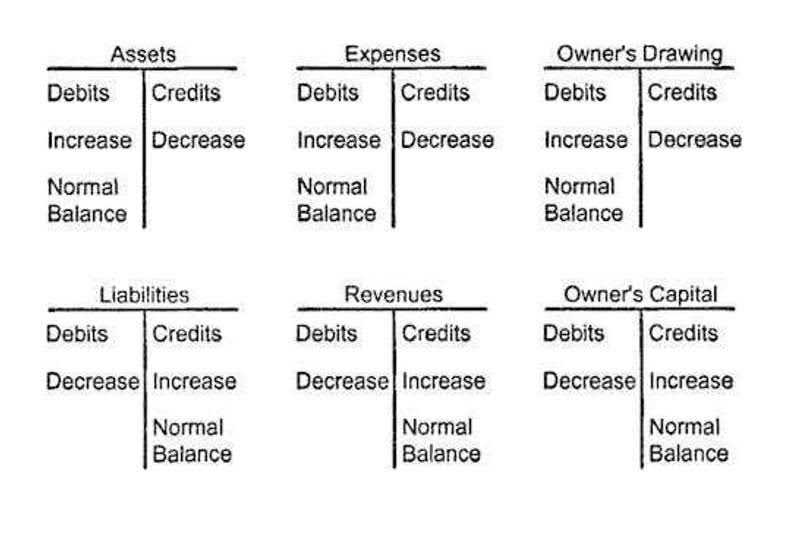
Yet the bank balance restaurant bookkeeping keeps shrinking, vendors tighten terms, and owners are left wondering how a busy restaurant can still feel broke. Because your debits equal $15,000, and your credits equal $4,000, you get a balance of $11,000 at the end of the accounting period. Here is an example of a journal entry for a restaurant recording a rent payment. Debits and credits are terms that indicate the flow of money in a business. Debits represent money flowing into your business from a usable source, while credits represent money flowing out of your business and into a usable source.
The December Post-Mortem: 5 Sources of Invisible Leakage in Your High-Volume Data
If you prefer manual bookkeeping, you can use financial report templates to guide yourself through the process of transferring ledger information. However, if you’re not using accounting software, you need to track things manually. This means recording journal entries as transactions occur, or transferring information from documents to your journals. Bookkeepers act as a vital link between management, stakeholders, and the financial aspects of the restaurant. They provide regular updates on financial performance, participate in budget meetings, and offer insights during strategic planning sessions. This collaborative approach ensures that financial considerations are integrated into the decision-making process and align with the overall business objectives.

Generic charts of accounts often fail restaurants by grouping critical costs together, obscuring performance drivers. This guide outlines practical, proven tips for restaurant bookkeeping—covering daily habits, weekly discipline, monthly structure, and long-term scalability. When approached correctly, bookkeeping https://www.arpchan.com/blogs/?p=962 becomes a powerful tool for control, confidence, and informed decision-making. But with the high volume of transactions restaurants handle, the chance of committing an error is greater.
Ways Restaurants Can Leverage Automation for Operational Success
Restaurants benefit most when monthly reports are prepared promptly and reviewed consistently. Content may not be republished or redistributed without express written approval. Portions or all of our content may have been created with the assistance of AI technologies, like Gemini or ChatGPT, and are reviewed by our human editorial team. For the latest restaurant news and reviews, head to St. Louis Restaurant Review.

When revenue or expenses happen, it’s your bookkeeper’s job to record these into your company’s accounting system. This probably involves categorizing the “transaction” in a way that makes sense, say a payment to your payroll provider as a payroll expense. Cost of Good Sold (COGS) is a KPI that shows how accurately you’re pricing your food items and controlling your inventory. Keeping track of your COGS ration will help you reduce and maintain your inventory costs. Account reconciliation confirms that you’ve accounted for all transactions and that the amount of cash in your account is correct.